Bergamot's Best Friends: Companion Plants That Will Make Your Garden Thrive
Bergamot's Best Friends: Companion Plants That Will Make Your Garden Thrive
Bergamot is a beautiful and fragrant herb that is often used in teas, perfumes, and cosmetics. It is also a relatively easy plant to grow, but there are a few companion plants that can help it thrive.
In this blog post, we will discuss the best companion plants for bergamot and how they can benefit your garden. We will also provide some tips on how to plant and care for these companion plants.
What are Companion Plants?
Companion planting is the practice of planting certain plants together in order to benefit each other. Some plants can help to repel pests, attract beneficial insects, or improve the soil quality.
There are many different companion plants that can be used with bergamot, but some of the best include:
- Basil: Basil is a natural insect repellent that can help to keep pests away from bergamot. It also helps to improve the flavor of bergamot tea.
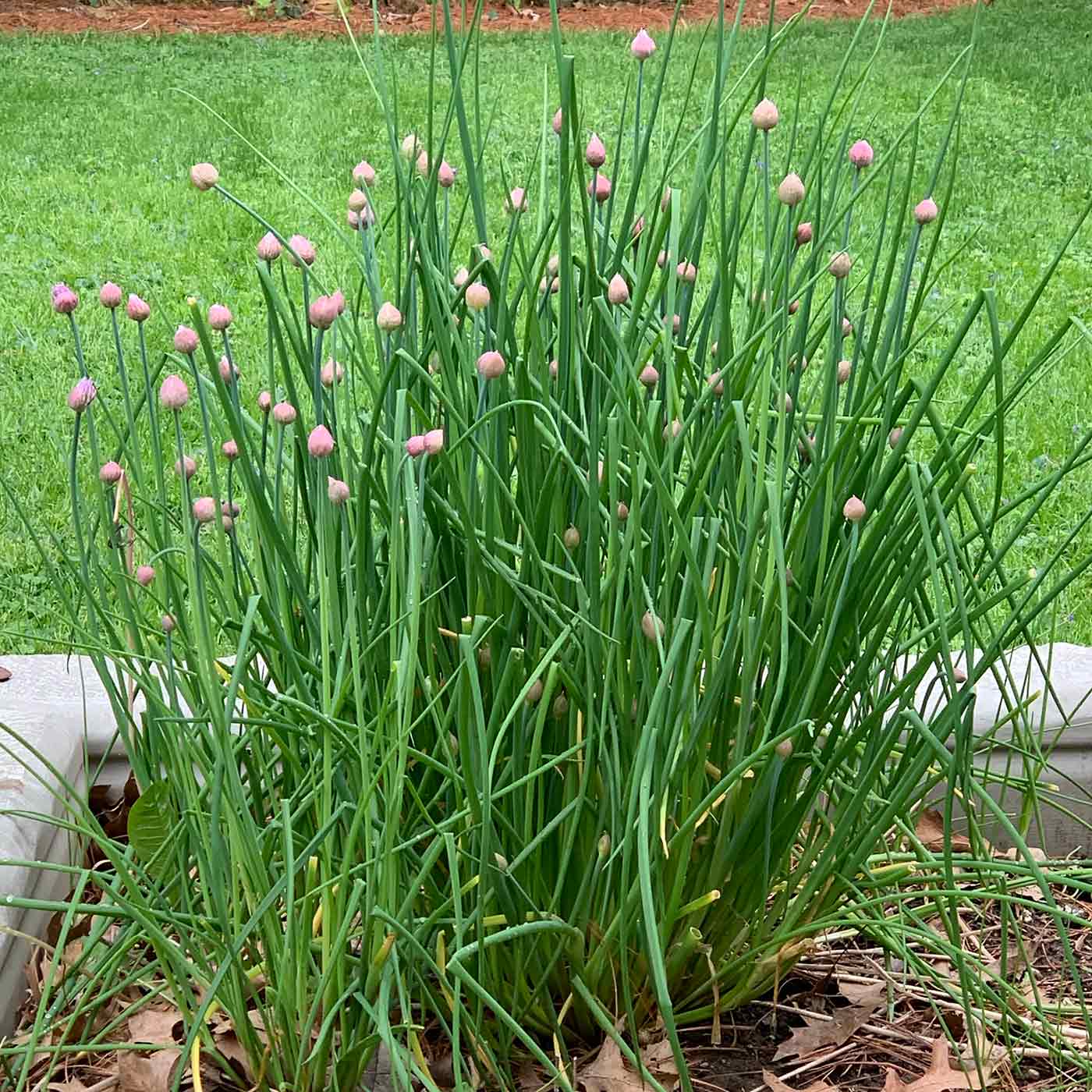
- Chives: Chives are another insect repellent that can help to protect bergamot from pests. They also help to improve the flavor of bergamot dishes.
- Cucumbers: Cucumbers help to attract beneficial insects, such as ladybugs, that can help to control pests. They also help to improve the soil quality.

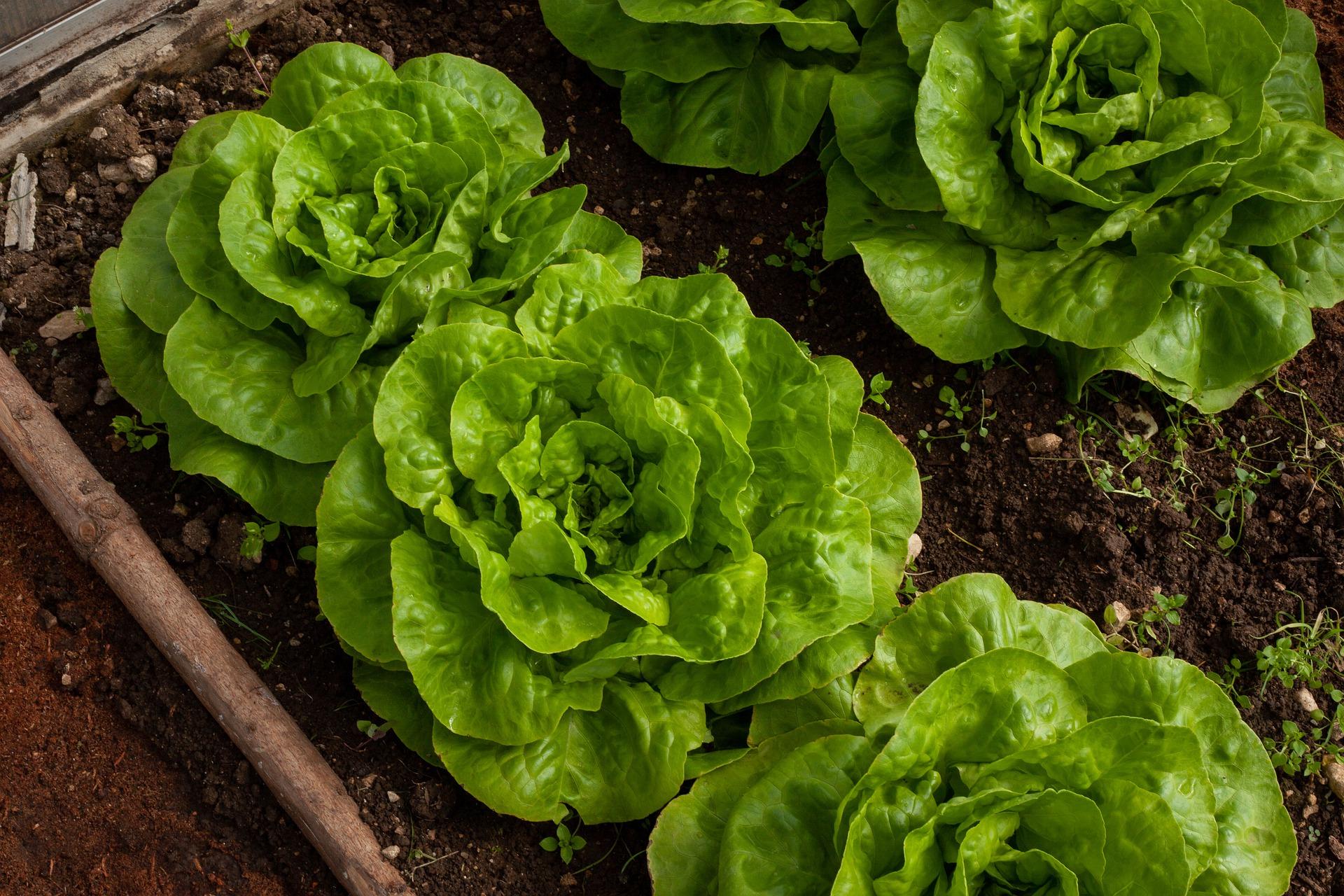
- Lettuce: Lettuce helps to suppress weeds and improve the soil quality. It also helps to attract beneficial insects.
- Onions: Onions help to repel pests, such as aphids and spider mites. They also help to improve the flavor of bergamot dishes.
- Rosemary: Rosemary helps to repel pests, such as aphids and spider mites. It also helps to improve the flavor of bergamot tea.

- Spinach: Spinach helps to suppress weeds and improve the soil quality. It also helps to attract beneficial insects.
How to Plant and Care for Companion Plants
When planting companion plants with bergamot, it is important to consider the size of the plants and how much sun they need. For example, basil and chives are both relatively small plants that can be planted in the same pot as bergamot. However, cucumbers and lettuce need more space and should be planted in separate pots.
It is also important to consider the watering needs of the companion plants. Some plants, such as basil and chives, need to be watered more frequently than others, such as bergamot.
Once the companion plants are planted, it is important to care for them properly. This includes watering them regularly, fertilizing them as needed, and controlling pests and diseases.
Conclusion
By planting companion plants with bergamot, you can help to improve the health and productivity of your garden. The plants listed above are just a few of the many companion plants that can be used with bergamot. With a little planning, you can create a beautiful and productive garden that is full of delicious and fragrant herbs.
Bergamot Companion Plants
Bergamot is a beautiful and versatile herb that can be used in a variety of ways. It's also a great companion plant for other herbs and flowers.
Some good bergamot companion plants include:
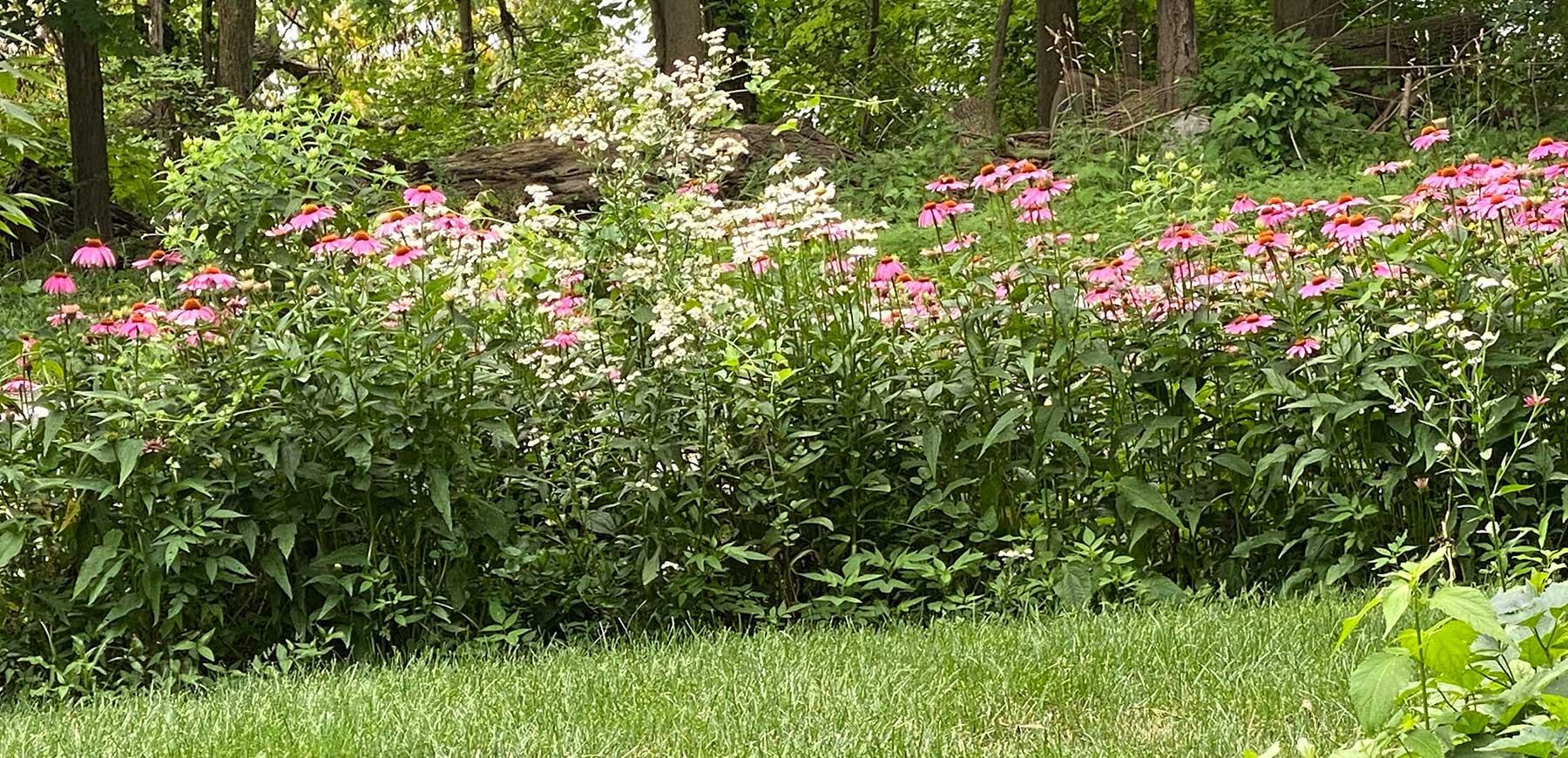
- Coneflowers: Coneflowers are tall, colorful flowers that attract pollinators. They also help to deter pests.
- Black-eyed Susans: Black-eyed Susans are another great choice for attracting pollinators. They're also relatively low-maintenance.
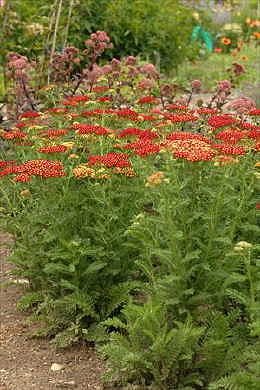
- Yarrow: Yarrow is a hardy herb that can help to repel pests. It also has medicinal properties.
- Bee balm: Bee balm is a close relative of bergamot and is also a great attractor of pollinators.
- Echinacea: Echinacea is a popular medicinal herb that can also help to deter pests.
If you're looking for more information about bergamot companion plants, I recommend visiting Garden Wiki. This website has a wealth of information on the topic, including plant profiles, growing tips, and recipes.
FAQ of bergamot companion plants
5 Most Frequently Asked Questions About Bergamot Companion Plants
Question 1: What are some good companion plants for bergamot?
Answer: Bergamot is a versatile plant that can be paired with a variety of other plants. Some good companion plants for bergamot include:
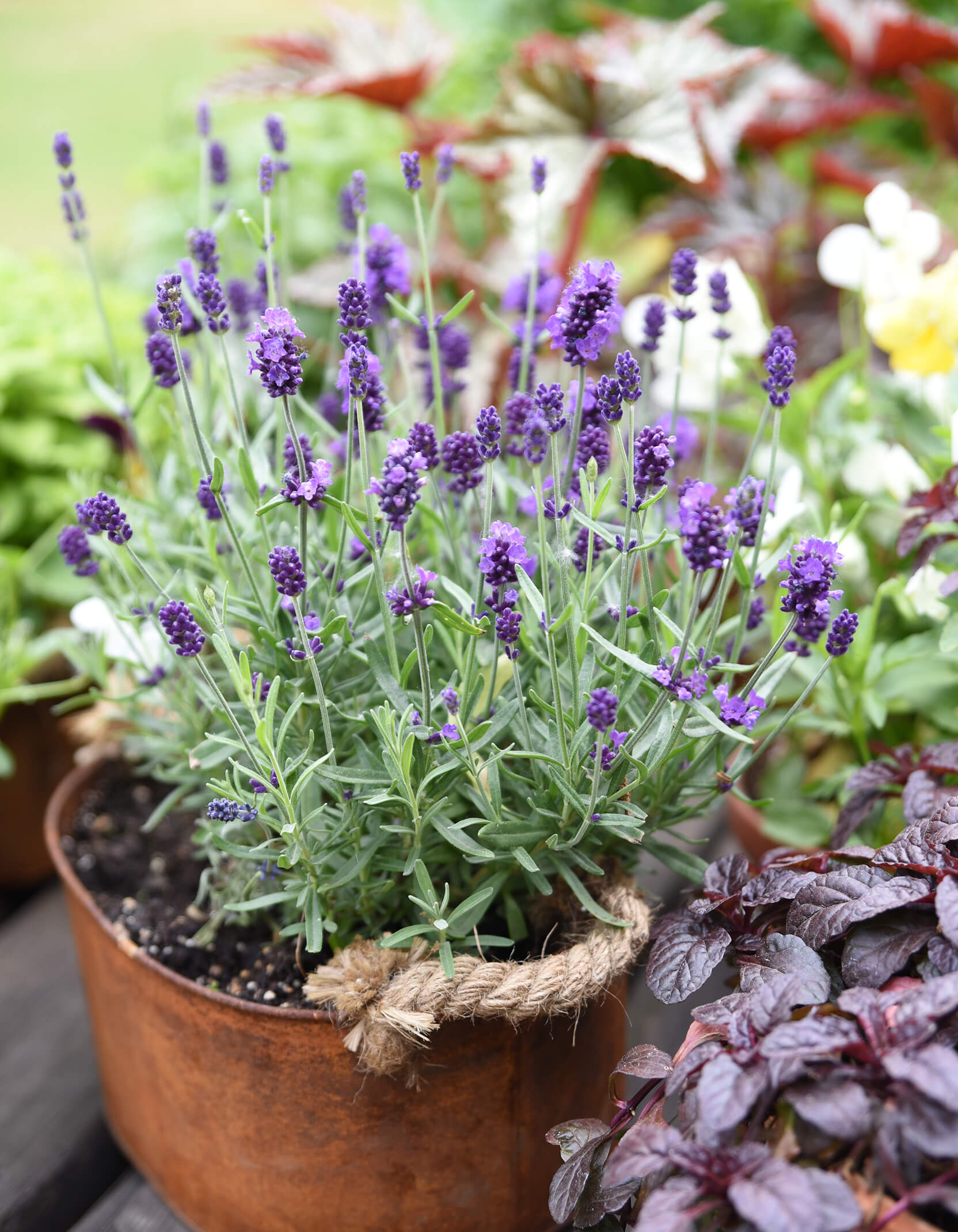
- Lavender: Lavender is a great companion plant for bergamot because it helps to repel pests and attract pollinators.
- Catnip: Catnip is another good companion plant for bergamot because it helps to attract pollinators.
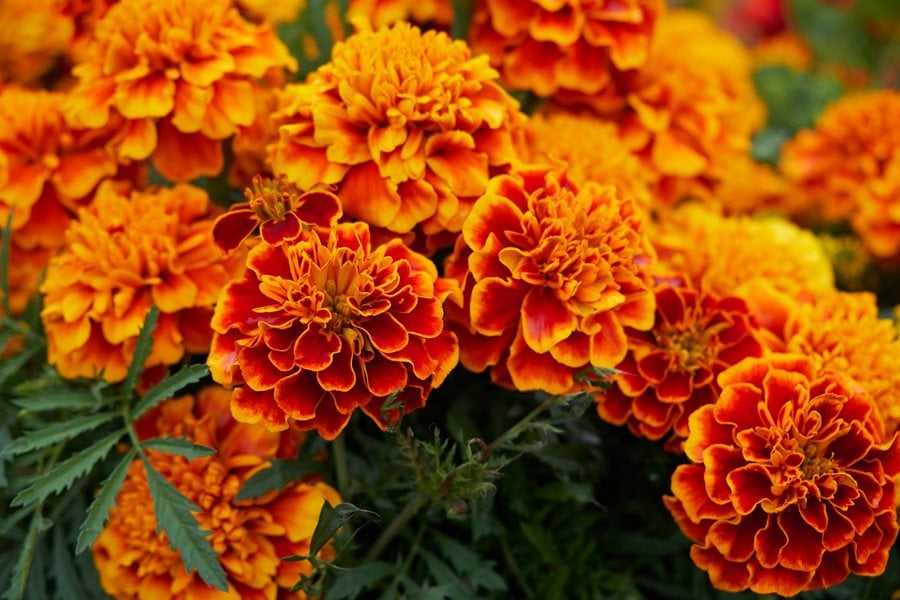
- Marigolds: Marigolds are known for their insect-repelling properties, so they can help to protect bergamot from pests.
- Cucumbers: Cucumbers and bergamot can be planted together because they have similar growing requirements.
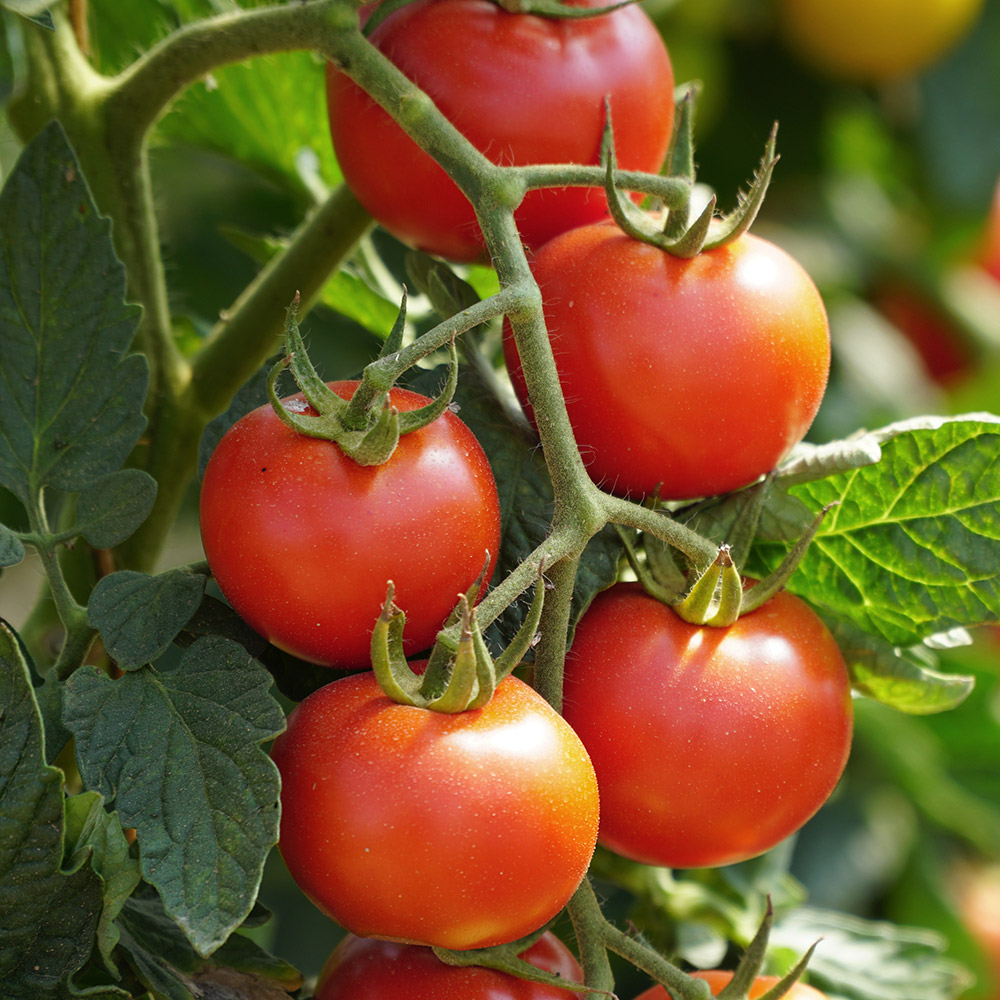
- Tomatoes: Tomatoes and bergamot can also be planted together because they benefit from each other's insect-repelling properties.
Question 2: What are the benefits of planting bergamot with companion plants?
Answer: There are several benefits to planting bergamot with companion plants. These include:
- Improved pollination: Companion plants can help to attract pollinators, which can help to improve the pollination of bergamot plants.
- Reduced pest pressure: Companion plants can help to repel pests, which can help to protect bergamot plants from damage.
- Enhanced growth: Companion plants can help to improve the growth of bergamot plants by providing nutrients, shade, or other beneficial conditions.
- Increased biodiversity: Companion planting can help to increase the biodiversity of your garden, which can benefit both plants and wildlife.
Question 3: What are some common mistakes to avoid when planting bergamot with companion plants?
Answer: Here are some common mistakes to avoid when planting bergamot with companion plants:
- Planting incompatible plants: Some plants do not get along well together, so it is important to do your research before planting bergamot with other plants.
- Planting too close together: Bergamot plants need some space to grow, so it is important to plant them far enough apart so that they have room to spread out.
- Overcrowding: Overcrowding can lead to problems with pests and diseases, so it is important to space bergamot plants out appropriately.
- Not watering enough: Bergamot plants need regular water, so it is important to water them deeply and regularly.
Question 4: Where is the best place to plant bergamot?
Answer: Bergamot plants prefer full sun to partial shade, so it is important to plant them in a location that gets plenty of sunlight. They also prefer well-drained soil, so it is important to amend the soil with compost or other organic matter before planting.
Question 5: How do I care for bergamot plants?
Answer: Bergamot plants are relatively easy to care for. They need regular watering, especially during hot, dry weather. They also benefit from occasional fertilizing with a balanced fertilizer. In addition, it is important to deadhead the flowers regularly to encourage new blooms.
Image of bergamot companion plants
- Bee Balm: Bee balm is a great companion plant for bergamot because it attracts pollinators, which help to pollinate the bergamot flowers. Bee balm also helps to deter pests, such as aphids and spider mites.

- Coneflower: Coneflower is another great companion plant for bergamot because it attracts pollinators and helps to deter pests. Coneflower also helps to improve the drainage of the soil around the bergamot plants.
- Yarrow: Yarrow is a good companion plant for bergamot because it helps to repel pests, such as Japanese beetles and aphids. Yarrow also helps to improve the drainage of the soil around the bergamot plants.
- Lavender: Lavender is a beautiful and fragrant companion plant for bergamot. Lavender helps to attract pollinators and helps to deter pests. Lavender also helps to improve the drainage of the soil around the bergamot plants.

- Marigold: Marigolds are a good companion plant for bergamot because they help to repel pests, such as nematodes and aphids. Marigolds also help to improve the drainage of the soil around the bergamot plants.

Post a Comment for "Bergamot's Best Friends: Companion Plants That Will Make Your Garden Thrive"